

If you’ve started shopping for a new website, you’ve probably already noticed the problem: ask five agencies what a website costs and you’ll get five different answers, none of which explain why. This guide breaks down what actually drives the price, so you can tell the difference between a fair quote and a padded one before you request either.
The Short Answer
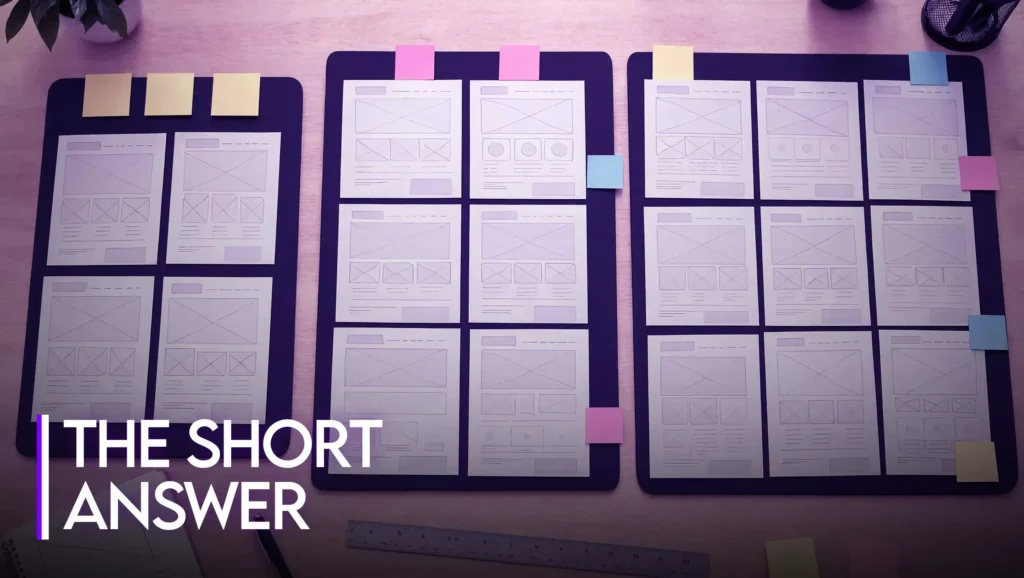
Most small business websites in 2026 fall into one of three price bands:
Tier | Typical Range | What You Get |
Starter | $5,000– $9,000 | A custom-designed brochure site (5–8 pages), mobile-responsive, basic SEO setup, no e-commerce |
Growth | $9,000– $16,000 | Custom design with more complex functionality — booking systems, lead-capture forms, blog/CMS, light e-commerce |
Enterprise | $16,000– $25,000+ | Full e-commerce, custom integrations (CRM, booking, payment), Jamstack or headless architecture, multi-location or multilingual support |
These ranges hold consistent across the US, Canada, and Australia — the biggest swing factor isn’t your location, it’s your scope.
What Actually Moves the Price
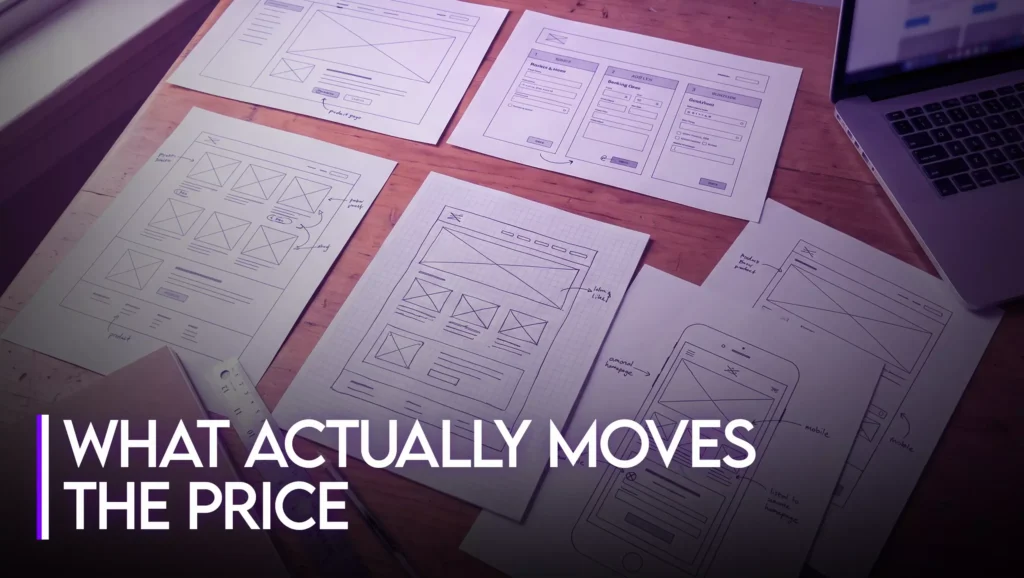
- Custom design vs. template. A template site can start around $500–$1,500, but you’re buying a layout thousands of other businesses are also using. Custom design — where every page is built around your brand and your customers, not a theme — is why the Starter tier begins closer to $5,000.
- Number of unique page templates, not total pages. Ten pages that reuse the same layout cost far less than five pages that each need a unique design. Agencies price by design complexity, not page count.
- E-commerce. Adding a storefront (Shopify, WooCommerce, or custom) typically adds $3,000–$10,000+ depending on catalog size, payment integrations, and whether you need custom checkout logic.
- Platform choice. WordPress and Shopify are generally the fastest to build and the cheapest to maintain long-term. Jamstack (Next.js, static-site frameworks) costs more upfront but usually pays that back in speed, security, and lower hosting costs over 2–3 years — see our Jamstack Migration Cost & Timeline guide for a full breakdown.
- Ongoing maintenance. A website is not a one-time purchase. Budget separately for hosting, security updates, and content changes — either as a monthly retainer or an as-needed arrangement. Agencies that don’t mention this upfront usually add it as a surprise later.
Red Flags When You're Comparing Quotes

- A quote with no breakdown. “It depends” is a fair starting point, but a real quote itemizes design, development, and any add-ons separately.
- A price far below the ranges above. Extremely cheap builds are almost always templates with your logo swapped in, not custom design.
- No mention of what happens after launch. If a quote doesn’t say who owns the code, the hosting, or the maintenance responsibility once the site goes live, ask before you sign.
What This Costs With Allusive Digital
Every Allusive Digital project is an itemized, fixed-price quote — confirmed before any work starts, so there are no scope surprises partway through. Most projects land between $5,000 and $25,000 depending on the tier above. Get an exact quote for your project →
How much does a website cost for a small business?
Most small business websites cost between $5,000 and $25,000, depending on whether it’s a brochure site, a site with booking/lead-capture functionality, or a full e-commerce build.
Is a $500 website worth it?
Sites in that range are almost always templates, not custom builds. They can be a reasonable starting point for a brand-new business with no budget, but expect to rebuild once you’re established — a template site can’t be easily customized to differentiate you from competitors using the same theme.
What's the difference between WordPress, Shopify, and Jamstack pricing?
WordPress and Shopify are typically the fastest and most affordable to build. Jamstack costs more upfront but often reduces hosting and security costs over time — see the full Jamstack cost guide.
Does the price change based on my location (US, Canada, Australia)?
Not significantly, Allusive Digital’s pricing is consistent across all three markets. Scope, not location, is what drives the cost.