
In 2026, user patience is extinct. Google’s algorithms reward speed, and cyber threats are more sophisticated than ever. A half-second delay in page load can hemorrhage conversion rates by 10%. Your website is no longer a digital brochure; it’s your primary revenue engine, customer service portal, and brand differentiator. Yet, many businesses remain shackled to monolithic, legacy CMS platforms that struggle to meet these modern demands.
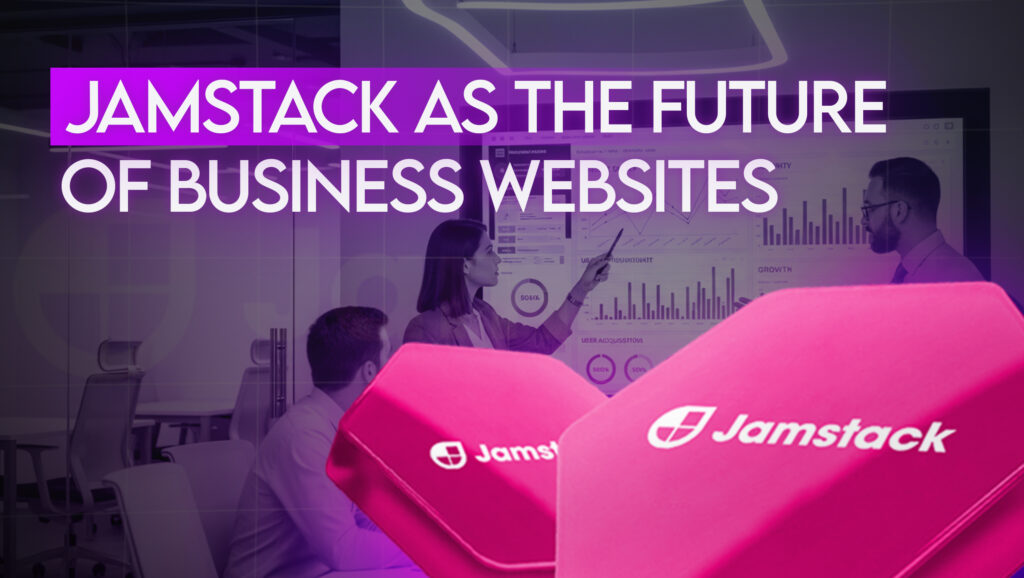
Enter Jamstack—a revolutionary architectural philosophy redefining what’s possible for performance, security, and scalability. More than just a tech stack (JavaScript, APIs, and Markup), it’s a fundamental shift in how we build for the web. This approach decouples the front-end presentation layer from the back-end, pre-rendering content into lightning-fast static files and leveraging powerful APIs for dynamic functionality. The result? Websites that are inherently faster, more secure, and effortlessly scalable.
For CTOs, marketing directors, and business owners, the question is no longer if you should modernize your web presence, but how. At Allusive Digital, a premier website design agency serving the USA, Canada, and Australia, we’ve pioneered Jamstack implementations that drive measurable business outcomes—from 40% faster launch cycles to 15% uplifts in conversion. Let’s explore why Jamstack is the unequivocal foundation for growth in 2026 and beyond.
Jamstack Unpacked: The Engine of Modern Web Experience
Beyond the Buzzword: A New Architectural Philosophy
Traditional monolithic CMS platforms like WordPress or Drupal handle everything—database queries, application logic, and templating—in a single, tightly coupled environment. This creates bottlenecks, security vulnerabilities, and performance limitations. Jamstack flips this model on its head.
- Decoupled Front-End: The user interface is built with modern JavaScript frameworks (like React) and served as static HTML, CSS, and JS files.
- Pre-Rendered Content: All pages are generated at build time using Static Site Generators (SSGs), eliminating database calls at the moment a user requests a page.
- Dynamic via APIs: Any required dynamic functionality—from user logins to shopping carts—is handled by specialized, third-party APIs, keeping the front-end lean and focused.
This separation of concerns is the core of its power, enabling developers and marketers to work independently and efficiently.
Core Components Powering 2026’s Best Websites
- Static Site Generators (SSGs): Tools like Next.js (with hybrid static/server-side rendering), Gatsby, and Nuxt.js transform code and content into a directory of pre-built files. For most marketing sites and e-commerce storefronts, this is the key to unbeatable Core Web Vitals.
- Headless CMS: Platforms like Contentful, Sanity, and Strapi provide a clean, cloud-based interface for content creators. Your marketing team enjoys familiar publishing workflows, while content is delivered via API to any front-end or digital channel—a cornerstone of modern website development.
- The API Ecosystem: Jamstack embraces a “best-of-breed” approach. Need e-commerce? Integrate Shopify or BigCommerce APIs. Advanced search? Plug in Algolia. User authentication? Use Auth0. This composability future-proofs your investment.
- Edge Deployment & CDNs: Platforms like Vercel, Netlify, and Cloudflare Pages deploy your pre-rendered site directly to a global Content Delivery Network (CDN). A user in Sydney accesses the site from a local edge server, not a single origin server in Virginia, guaranteeing sub-second load times worldwide.
Top 5 Jamstack-Driven Trends for 2026
1. Dynamic Personalization on Static Foundations
The old belief that “static” means “generic” is dead. In 2026, leading businesses use edge functions (like Vercel Middleware) and client-side APIs to inject personalized content—product recommendations, localized offers, user-specific greetings—into a pre-rendered, blazing-fast page shell. You get the performance benefits of static site generation with the engagement power of a dynamic app.
2. Composable Architecture & the Best-in-Breed Stack
Businesses are rejecting monolithic lock-in. The trend is toward composable architecture, where you assemble your ideal digital stack. Choose the best headless CMS for your editors, the perfect e-commerce engine for your products, and the ideal analytics tool. Jamstack is the glue that seamlessly integrates these services, offering unparalleled flexibility and control. Gartner predicts that by 2026, 60% of enterprises will use composability to outpace competition.
3. Enhanced Developer Experience (DX) & Faster Launches
Modern Jamstack development workflows are Git-centric. Every code change triggers a preview deployment, allowing for instant stakeholder feedback. Serverless functions handle backend logic without managing servers. This streamlined environment can reduce development time by ~40%, accelerating time-to-market for campaigns and product launches—a key offering of any forward-thinking web design agency.
4. Unbeatable Security by Default
With no direct connection to a database or server-side code during runtime, the attack surface of a Jamstack site shrinks dramatically. You’re serving pre-built files. There’s no WordPress plugin vulnerability or Drupal exploit to fear. This reduced security overhead is a major contributor to a lower Total Cost of Ownership (TCO).
5. Core Web Vitals as a Starting Point, Not a Goal
Google’s Core Web Vitals (LCP, FID, CLS) are critical for SEO and UX. While traditional sites struggle to optimize them, Jamstack sites achieve 90+ Lighthouse scores by architecture. This frees your team to focus on innovative user experiences and conversion rate optimization, rather than constant performance firefighting.
The Tangible Business ROI of a Jamstack Migration

Let’s move beyond theory to bottom-line impact. When a global B2B software client migrated from a legacy CMS to a Jamstack site built with Next.js development services, the results were stark:
- Performance & Conversion: Largest Contentful Paint (LCP) improved from 4.2s to 0.8s, directly contributing to a 22% increase in lead form submissions.
- Cost Efficiency: Hosting costs dropped by 70% (moving from managed server infrastructure to global CDN pricing), and security incidents related to the CMS fell to zero.
- Operational Agility: The marketing team gained the ability to launch new landing pages via the headless CMS without developer tickets, cutting campaign launch time from two weeks to two days.
- Reliability During Traffic Spikes: A product announcement that previously would have crashed their site was handled effortlessly by the auto-scaling CDN, serving millions of requests without a hiccup.
Is Jamstack Right for Your Business? A Strategic Framework

Jamstack is ideal for:
- Content-heavy marketing websites and blogs.
- E-commerce storefronts and product catalogs.
- Enterprise corporate portals and documentation hubs.
- Any project where speed, security, and scalability are non-negotiable.
Considerations: Applications requiring intense, real-time interactivity (e.g., a live trading dashboard or multiplayer game) may use Jamstack for core pages but pair it with a WebSocket-driven service for specific features. It’s about using the right tool for the job.
Allusive Digital’s Assessment Process: We begin with a Free Jamstack Architecture Audit. Our experts analyze your current site’s performance, security, and codebase. We then map your business goals to a technical roadmap, recommending either a phased migration or a full rebuild to ensure maximum ROI.
Partnering with Allusive Digital for Your 2026 Web Presence
Navigating this architectural shift requires a guide with deep, proven expertise. As a premier website design agency with hubs serving the USA, Canada, and Australia, Allusive Digital is that partner. We don’t just build websites; we engineer strategic business assets.
Our holistic approach covers the entire Jamstack ecosystem: from user-centric design in Figma, to robust development with Next.js and React, seamless integration of headless CMS and e-commerce APIs, and deployment to the global edge. We tailor every solution to your unique market and business objectives.
Conclusion: Architect Your Business for the Future
In 2026, your website’s architecture is a critical business decision. It directly impacts your revenue, brand reputation, and operational efficiency. Jamstack represents the most robust, scalable, and business-aligned foundation available today.
Ready to future-proof your digital presence?
Request your Free, No-Obligation Jamstack Architecture Audit today. Our team will provide a detailed report on your current site’s performance bottlenecks, security vulnerabilities, and a clear roadmap to a faster, more secure, and conversion-optimized website.