
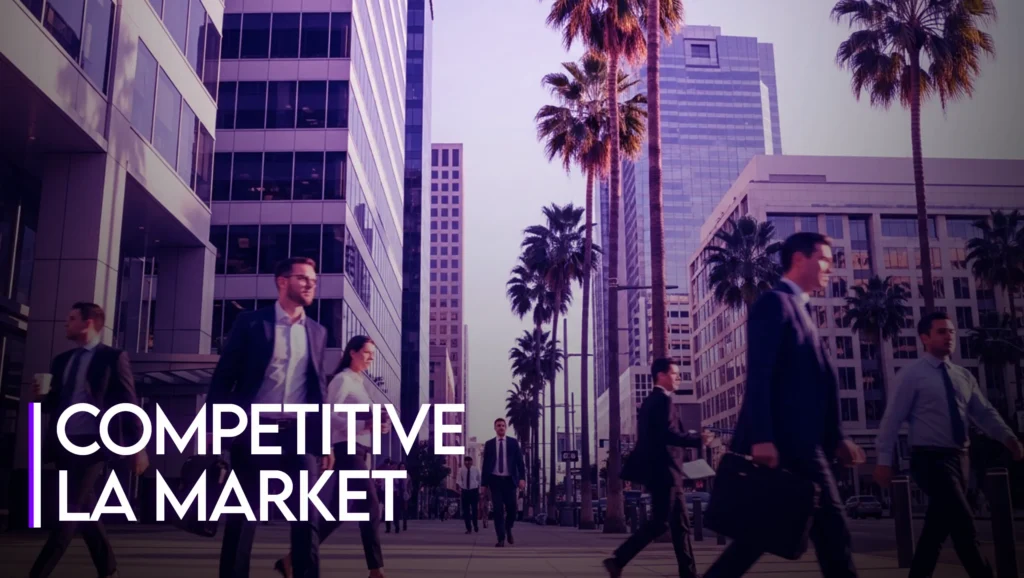
Los Angeles is home to over 244,000 businesses, making it one of the most competitive markets for web design and digital services in the world. Whether you’re a startup in Silicon Beach, an entertainment company in Hollywood, or an established firm in Downtown LA, choosing the right web design agency is critical to your online success.
In this comprehensive guide, we’ve researched and compared the top 10 web design agencies in Los Angeles based on client reviews, portfolio quality, pricing transparency, and technical expertise. We’ve included agencies that specialize in everything from custom WordPress development to enterprise-grade Jamstack applications, SEO optimization, and conversion-focused design.
Los Angeles businesses don’t have the luxury of a slow website. If your site doesn’t load in under 2 seconds, if it’s not ranking on Google’s first page for competitive keywords, if it’s not converting visitors at 3%+, you’re losing deals to competitors who invested in their digital presence. This guide will help you find the right partner to fix that.
For transparent pricing and enterprise-grade development, Allusive Digital specializes in high-performance websites for Los Angeles businesses.
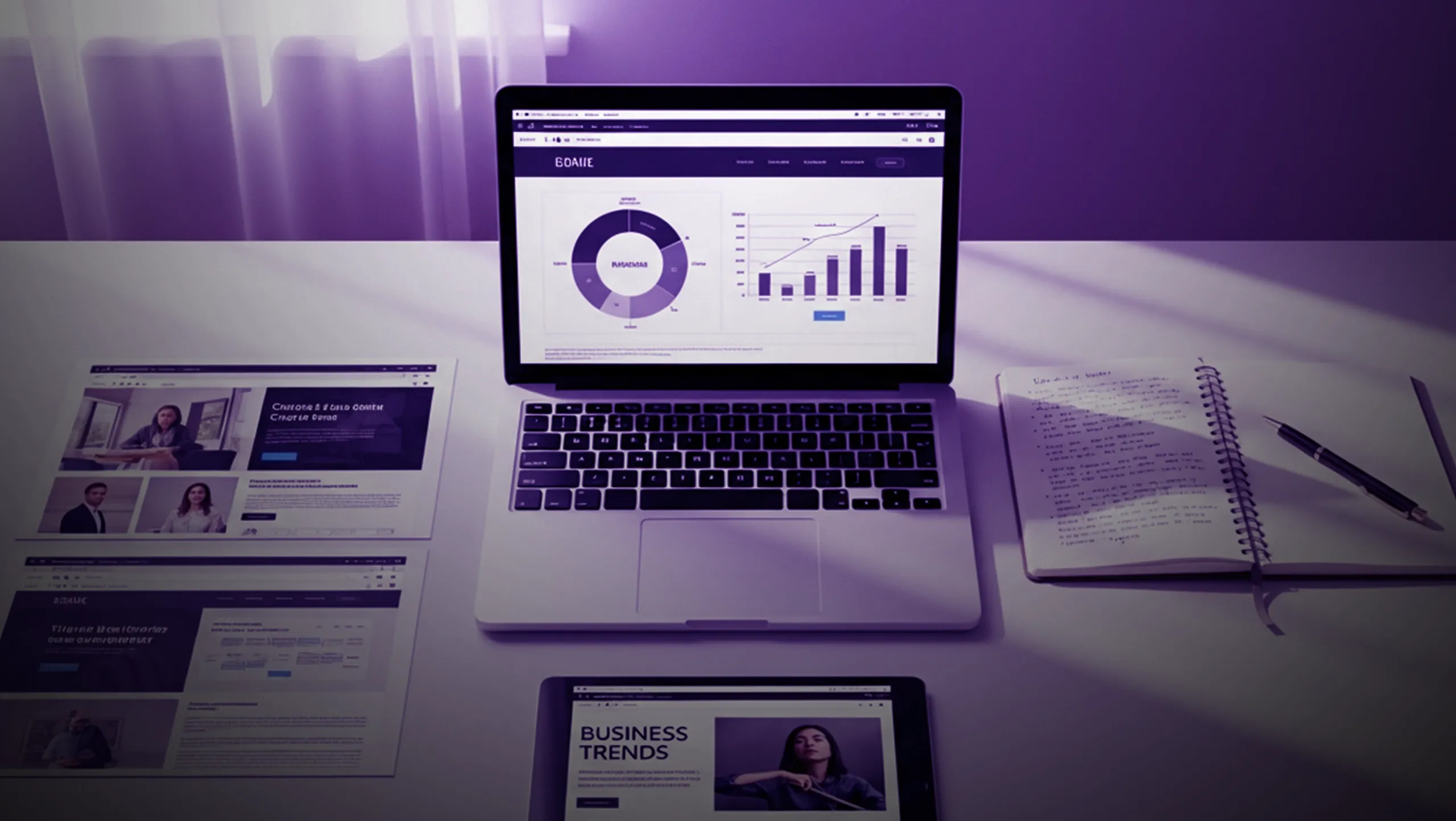
1. Allusive Digital, Full-Service Web Design & Development
Specialties:
- Custom WordPress and Shopify development
- Jamstack and Next.js applications
- Mobile app development (Flutter, React Native)
- Technical SEO and conversion optimization
- White label partnerships for agencies
Pricing: $5,000 – $25,000+
Best For: Businesses that need high-performance websites with enterprise-grade SEO and Core Web Vitals optimization
Why We Recommend Them:
Allusive Digital specializes in building conversion-focused websites for competitive LA markets. Based in Langley, BC, they work 100% remotely with businesses across Los Angeles, meaning you get international expertise without the overhead of a traditional LA agency.
Their focus on Core Web Vitals, technical SEO, and performance makes them ideal for businesses competing in saturated markets. Every project starts with a technical SEO audit, a conversion analysis, and a performance baseline, then they build custom WordPress sites, Shopify e-commerce platforms, or Jamstack applications designed for speed and results.
Allusive Digital serves businesses across Santa Monica, Burbank, Pasadena, Long Beach, and the greater LA metro, with clients in entertainment, healthcare, real estate, and professional services sectors.
Learn More : Los Angeles web design services
2. Ripe Media
Custom WordPress & Nonprofit Specialists
Specialties:
- Custom WordPress development
- Government and nonprofit organizations
- ADA compliance and WCAG 2.1 accessibility
- Brand strategy and visual identity
- Multilingual website development
Pricing: $15,000 – $50,000+
Best For: Government agencies, nonprofits, and mission-driven organizations requiring accessible, complex websites
Why We Included Them:
Since 2003, Ripe Media has established itself as the premier choice for organizations requiring sophisticated custom web design and development solutions in Los Angeles. Their portfolio includes high-profile clients like Toyota Motor Corporation, The Walt Disney Company, LA County Justice Department, and The Global FoodBanking Network.
What sets Ripe apart is their comprehensive approach to accessibility and stakeholder management. They excel at working with government entities and nonprofits that require ADA compliance, multilingual support, and mission-driven web experiences. Their work with The Global FoodBanking Network won a Platinum dotComm Award, while their Santa Barbara Foundation rebrand earned a Gold Hermes Creative Award.
For B2B clients, Ripe excels at translating complex business offerings into clear, compelling digital experiences. However, their pricing reflects their enterprise-level expertise, expect to invest $15,000-$50,000+ for their services.
3. SPINX Digital
Enterprise Solutions & Digital Marketing
Specialties:
- Enterprise web platforms
- Digital marketing strategies
- Complex technical architecture
- E-commerce development
- Mobile app development
Pricing: $20,000 – $100,000+
Best For: Enterprise businesses and brands requiring scalable, secure, profit-generating websites
Why We Included Them:
Located in the heart of Los Angeles, SPINX Digital has built a reputation as one of the most reliable and innovative full-service agencies in the city. In 2026, they continue to lead the market by specializing in complex enterprise solutions and high-end digital marketing strategies.
SPINX doesn’t just focus on front-end design, they dive deep into technical architecture to ensure every website they build is scalable, secure, and conversion-optimized. Their team blends creative thinkers and data scientists who understand that a beautiful site is useless if it doesn’t rank at the top of Google and convert visitors into customers.
They provide full-cycle digital strategy, starting with deep market research and competitor analysis, Compare these agencies against Allusive Digital’s Los Angeles services to see which fits your needs. ensuring your website is positioned to solve specific business problems rather than just existing as a beautiful online placeholder. However, their enterprise focus means higher pricing, budget at least $20,000 for their services.
4. Mad Mind Studios
SEO-Focused Web Design & Branding
Specialties:
- SEO optimization and web design integration
- Logo design and branding
- Website design and development
- Local SEO for Los Angeles businesses
- Graphics and print materials
Pricing: $5,000 – $20,000
Best For: Small to medium businesses in Los Angeles looking for SEO-integrated web design
Why We Included Them:
Mad Mind Studios is a Los Angeles-based digital agency that specializes in combining web design with technical SEO from the ground up. Every build starts with SEO, intent mapping, and opportunity analysis, ensuring your site is built to rank, not just look good.
Their approach is straightforward: no shortcuts, every strategy is custom-tailored, and you always own your site, content, and data. They offer transparent pricing with no surprises, and their team handles web design, branding, SEO, and marketing under one roof.
Client testimonials highlight their professionalism, fast turnaround times, and ability to understand business goals. One client noted: “Mad Mind Studios didn’t just create a website, they built a strong foundation for my business to grow.”
Their pricing is more accessible than enterprise agencies like SPINX or Ripe, making them a solid choice for LA businesses that need results without the $50,000+ price tag.
5. Lounge Lizard
Award-Winning Brand Integration
Specialties:
- UI/UX design focused on conversion
- Brand strategy and digital experience
- Enterprise web platforms
- Marketing automation integration
- Financial services and healthcare websites
Pricing: $10,000 – $50,000+
Best For: Established brands requiring sophisticated UI/UX design and brand integration
Why We Included Them:
Lounge Lizard brings nearly three decades of digital design experience, with a portfolio spanning Fortune 500 companies and innovative startups. Their approach integrates brand strategy directly into web development, ensuring visual identity and digital experience work in concert.
Since 1998, Lounge Lizard has designed and built over 600 websites across e-commerce, B2C, B2B, nonprofit, and social network categories. They’re known for sophisticated UI/UX design that prioritizes conversion while maintaining creative excellence.
Their work with financial services, healthcare, and entertainment clients demonstrates versatility across regulated and creative industries. Lounge Lizard’s digital strategy extends beyond launch, offering comprehensive digital marketing integration to drive sustained results.
However, their nearly 30 years of experience come with premium pricing, expect to invest $10,000-$50,000+ for their full-service approach.
6. Weberous
Award-Winning Full-Service Agency
Specialties:
- Full-service web design and development
- User experience design
- Marketing and digital strategy
- E-commerce solutions
- Brand development
Pricing: $10,000 – $30,000+
Best For: Brands seeking memorable visual identity with functional user journeys
Why We Included Them:
Weberous is an award-winning web design agency in Los Angeles, recognized as a leading provider for several years in a row. Their philosophy: marry memorable visual identity with functional user journeys for experiences that delight, engage, and convert.
They’re a full-service agency with over 10+ years of expertise working with leading brands. Their multidisciplinary in-house design team can tackle projects ranging from logo design to social content to full rebrands and enterprise websites.
Weberous has earned strong reviews across trusted platforms like Clutch.co, where clients praise their creative thinking, project management, and ability to deliver on time and on budget. Their pricing is competitive for the LA market, typically falling in the $10,000-$30,000 range depending on project scope.
7. RNO1
Modern Tech Brand Specialists
Specialties:
- Interactive design and brand storytelling
- Subscription-based design models
- Mobile-first and social-integrated sites
- Bold typography and fluid animations
- Tech startup focus
Pricing: Subscription model (varies)
Best For: Fast-moving tech brands and disruptive startups
Why We Included Them:
RNO1 is a “west coast” brand and digital experience agency that has become the premier choice for modern, fast-moving tech brands in Los Angeles. In 2026, they’re famously known for their “LIVESTREAM” subscription model, which allows brands to have continuous access to their elite design and development talent.
They focus on what they call “the edge,” pushing the boundaries of interactive design and brand storytelling for companies that want to disrupt their industries. Their work is characterized by bold typography, fluid animations, and a digital-first mindset that prioritizes mobile and social interactions over traditional desktop layouts.
Their subscription-based design model is innovative, allowing for constant digital evolution rather than the “launch and forget” cycle of traditional projects.
This makes them ideal for startups and tech companies that need ongoing design and development support.
8. Sunlight Media LLC
Mobile App & Web Development
Specialties:
- Website and mobile app development
- Graphic design and digital marketing
- SEO, social media marketing, and PPC
- Brand development
- Downtown Los Angeles location
Pricing: $8,000 – $30,000
Best For: Businesses needing both web and mobile app development
Why We Included Them:
Sunlight Media LLC is an award-winning website and mobile app development company located in downtown Los Angeles. The company specializes in web design, mobile application development, graphic design, and digital marketing services including SEO, social media management, and PPC campaigns.
Their strength is in handling full-spectrum digital projects, from initial brand development through web design, mobile apps, and ongoing marketing. This makes them a good choice for businesses that want a single partner to handle all their digital needs rather than coordinating between multiple agencies.
Client reviews highlight their professionalism, communication skills, and ability to deliver quality work on time. Their pricing is competitive for downtown LA, typically ranging from $8,000-$30,000 depending on whether you need web only or web + mobile app development.
9. Collective42
Healthcare & E-commerce Specialists
Specialties:
- UI/UX design
- Web design and development
- SEO and digital marketing strategies
- Healthcare and biotech focus
- E-commerce platforms
Pricing: $15,000 – $40,000+
Best For: Healthcare, biotech, and e-commerce businesses
Why We Included Them:
Collective42 is a web design and development company known for exceptional UI/UX design, receiving consistently positive feedback for their collaborative approach, project management, and responsiveness on Clutch.co (one of the most trusted agency review platforms).
Clients in healthcare and biotech have highlighted improvements in site usability and traffic after working with Collective42, while e-commerce businesses have noted significant revenue increases. Their focus on user experience, combined with strong SEO capabilities, makes them particularly effective for businesses in regulated industries like healthcare that need both compliance and conversion optimization.
Overall client sentiment is highly favorable, indicating that Collective42 is a strong fit for organizations seeking comprehensive digital solutions with a focus on healthcare, biotech, and e-commerce sectors. However, their specialized expertise comes with higher pricing.
10. Top Notch Dezigns
Award-Winning Digital Agency
Specialties:
- Full-service digital agency
- Web design and development
- SEO and digital marketing
- Brand development
- Outstanding communication
Pricing: $7,000 – $25,000
Best For: Businesses seeking excellent communication and client service
Why We Included Them:
Top Notch Dezigns is an award-winning digital agency that is passionate, dedicated, and committed toward delivering excellent results. They take pride in their outstanding communication skills and make it a point to exceed client expectations.
Their work with companies like Palladyne AI demonstrates their ability to handle complex B2B projects. For Palladyne AI, a growing robotics and AI software company, Top Notch Dezigns created a professional digital presence that clearly communicated the company’s technology and vision.
Client reviews consistently highlight their responsiveness, professionalism, and ability to deliver on time. While they may not have the 30-year history of agencies like Lounge Lizard or the enterprise scale of SPINX Digital, their focus on client communication and service makes them a reliable choice for businesses that value a collaborative partnership.
How to Choose the Best Web Design Agency in Los Angeles

1. Define Your Budget and Scope
Los Angeles web design pricing varies significantly based on complexity and agency reputation:
- Basic business site: $5,000 – $10,000
- Custom development: $15,000 – $30,000
- Enterprise platform: $30,000 – $100,000+
Be honest about your budget from the start. Agencies like Allusive Digital and Mad Mind Studios offer transparent, project-based pricing in the $5,000-$25,000 range, while enterprise agencies like SPINX and Ripe Media typically start at $15,000-$20,000 and can exceed $100,000 for complex projects.
2. Review Portfolio and Case Studies
Don’t just look at how beautiful an agency’s portfolio sites are, dig deeper:
- Look for projects in your industry
- Check for Core Web Vitals scores (use Google PageSpeed Insights)
- Verify mobile responsiveness
- Ask for live client websites you can browse
- Request 3-5 references you can contact directly
Agencies like Ripe Media and Collective42 publish detailed case studies with measurable results (traffic increases, revenue growth, conversion improvements). If an agency can’t show you real numbers, that’s a red flag.
3. Ask About SEO and Performance
Your website is worthless if it doesn’t rank on Google. Ask every agency:
- What’s the expected Google Lighthouse score? (Target: 90+)
- Do you offer ongoing SEO services after launch?
- How do you handle Core Web Vitals and page speed?
- Will you provide keyword research and on-page optimization?
- Will the site be optimized for Google search from day one?
At Allusive Digital, we build technical SEO into every project from day one.
Agencies like Allusive Digital and Mad Mind Studios build SEO into every project from the start. Others treat it as an add-on service, which means your site will need expensive redesign work later to rank properly. Learn more about Core Web Vitals from Google’s official documentation.
4. Understand Their Tech Stack
Different technologies serve different purposes:
- WordPress: Best for content-heavy sites, blogs, easy updates (Allusive Digital, Ripe Media)
- Shopify: Best for e-commerce, inventory management (Allusive Digital, Weberous)
- Jamstack/Next.js: Best for performance-critical applications, fast load times (Allusive Digital, RNO1)
- Custom development: Best for unique requirements, complex functionality (SPINX Digital, Lounge Lizard)
Don’t let an agency push you toward their preferred tech stack if it’s not right for your business. A good agency will recommend the best technology for your specific needs, not just what they’re comfortable building. Compare different web technologies on Stack Overflow’s annual developer survey.
5. Check Client Reviews and References
Los Angeles has hundreds of web design agencies, but only a few have consistently strong client reviews:
- Clutch.co: Independent review platform with verified clients
- Google Reviews: Real customer feedback
- Yelp: Local Los Angeles business reviews
- Direct references: Ask for 3-5 recent clients you can contact
Red flags to watch for:
- No client reviews or testimonials
- Only showcasing work from 3+ years ago
- Unable to provide references
- Vague pricing with no transparency
Agencies like Collective42, Weberous, and Top Notch Dezigns have strong reviews across multiple platforms, indicating consistent quality and client satisfaction.